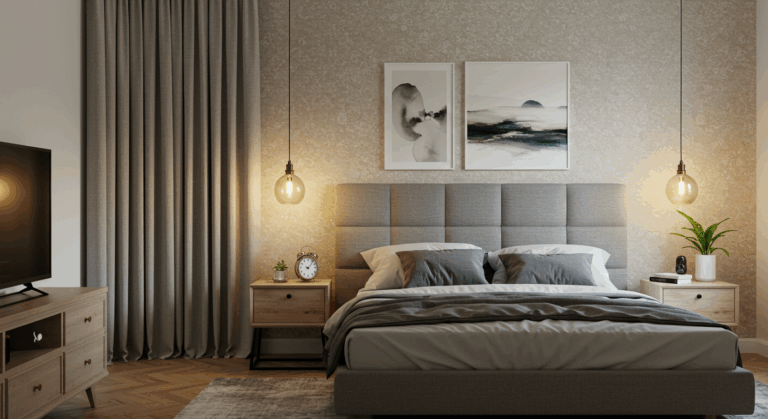
18 Luxury Living Room Design Ideas
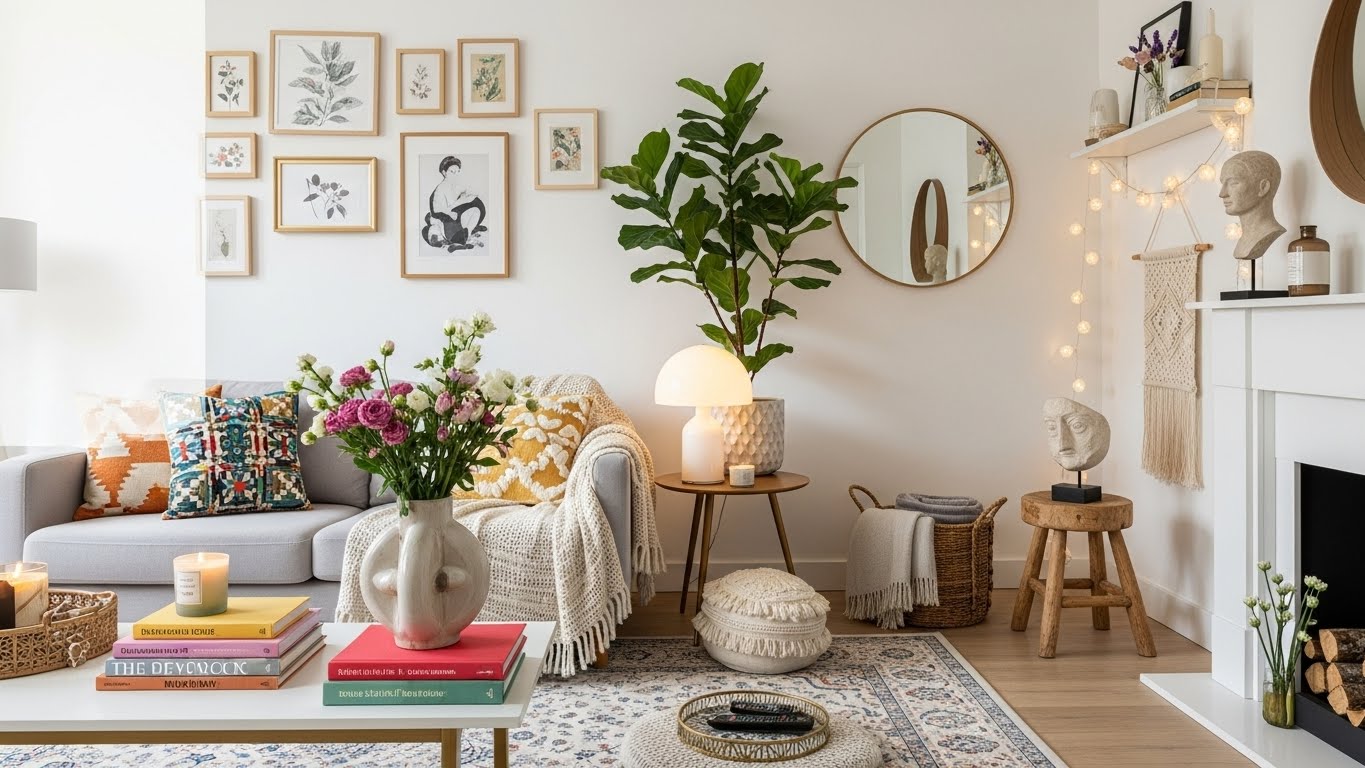
You don’t need a full renovation or a big budget to make your home feel new. A few smart décor changes can transform how a space looks and how it feels. Whether you’re decorating your first apartment or refreshing a long-loved home, these simple home décor ideas will help you create a stylish, welcoming space.
1. Start with a Color Reset
Before adding more décor, look at your existing color palette.
- Neutral base: Whites, beiges, soft grays, and taupes create a calm backdrop that works with almost any style.
- One or two accent colors: Choose 1–2 accent shades that appear repeatedly in pillows, art, rugs, and accessories to make the space feel cohesive.
- Quick update: If repainting walls isn’t an option, introduce color through textiles like throws, cushions, and curtains.
A consistent palette instantly makes a room feel more intentional and put-together.
2. Layer Your Lighting
Lighting can make or break a room’s atmosphere.
Aim for three types of lighting in every space:
- Ambient: Overhead fixtures or ceiling lights
- Task: Desk lamps, reading lamps, under-cabinet lighting in the kitchen
- Accent: Wall sconces, picture lights, candles, or small table lamps
Swap harsh white bulbs for warm white (2700–3000K) to create a cozy, inviting glow.
3. Refresh with Textiles
Textiles are one of the fastest ways to change the mood of a room.
- Throw pillows: Mix different textures (linen, velvet, knits) and patterns in a shared color palette.
- Throws and blankets: Drape them over sofas, armchairs, or bed ends for instant softness.
- Area rugs: Use rugs to define zones in open-plan spaces and to add warmth underfoot.
Even if you change nothing else, updated textiles can make a room feel completely new.
4. Re-Arrange Your Furniture
Sometimes the best décor change is free.
- Pull furniture off the walls: Floating a sofa or chairs closer together creates a more intimate conversation area.
- Create zones: In open spaces, use rugs or furniture groupings to define a living area, workspace, or reading nook.
- Consider flow: Make sure there’s a clear path through the room without navigating an obstacle course.
Try photographing your room, then sketching a new layout before moving pieces—it helps you see the space more objectively.
5. Add Greenery with Plants
Plants add life, color, and texture.
- Low-maintenance options: Snake plants, pothos, and ZZ plants work well even for beginners.
- Vary heights: Mix floor plants, tabletop plants, and hanging planters for dimension.
- Use pretty pots: Upgrade to ceramic or woven baskets to make plants feel like intentional décor.
If you really don’t want live plants, high-quality faux plants can still add that fresh look.
6. Upgrade Your Wall Art
Bare walls can make a room feel unfinished.
- Create a gallery wall: Combine framed art, photos, prints, and even small mirrors. Stick to a theme (color, frame style, or subject) so it feels cohesive.
- Oversized art: One large piece above a sofa or bed can act as a focal point and instantly elevate the room.
- Personal touches: Mix in travel photos, meaningful quotes, or kids’ artwork in stylish frames.
Hang art at eye level—typically the center of the piece should be around 57–60 inches from the floor.